
Menopause can trigger dark patches on your face—a condition called melasma. Hormonal shifts during this life stage make your skin produce more pigment, creating stubborn brown spots mainly on cheeks and forehead.
Depends on the cause, but with the right routine it almost always improves.
Hormonal changes during menopause amp up your skin's pigment production. Sun exposure makes it worse. Your skin becomes more sensitive to UV rays, causing those patches to darken and spread over time.
Skipping sunscreen thinking it won't help. Using too many products at once hoping for quick results. Ignoring the condition—melasma won't fade on its own and typically gets darker without sun protection.
Many products sold as gentle contain fragrance. Look for parfum or fragrance in the ingredient list.
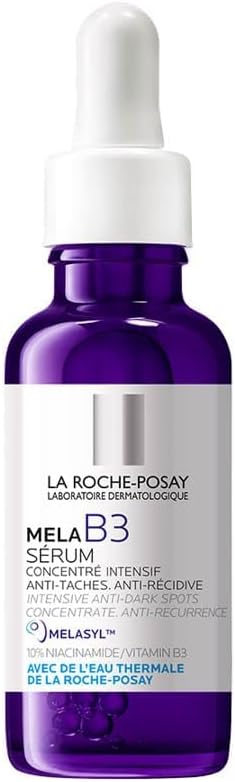
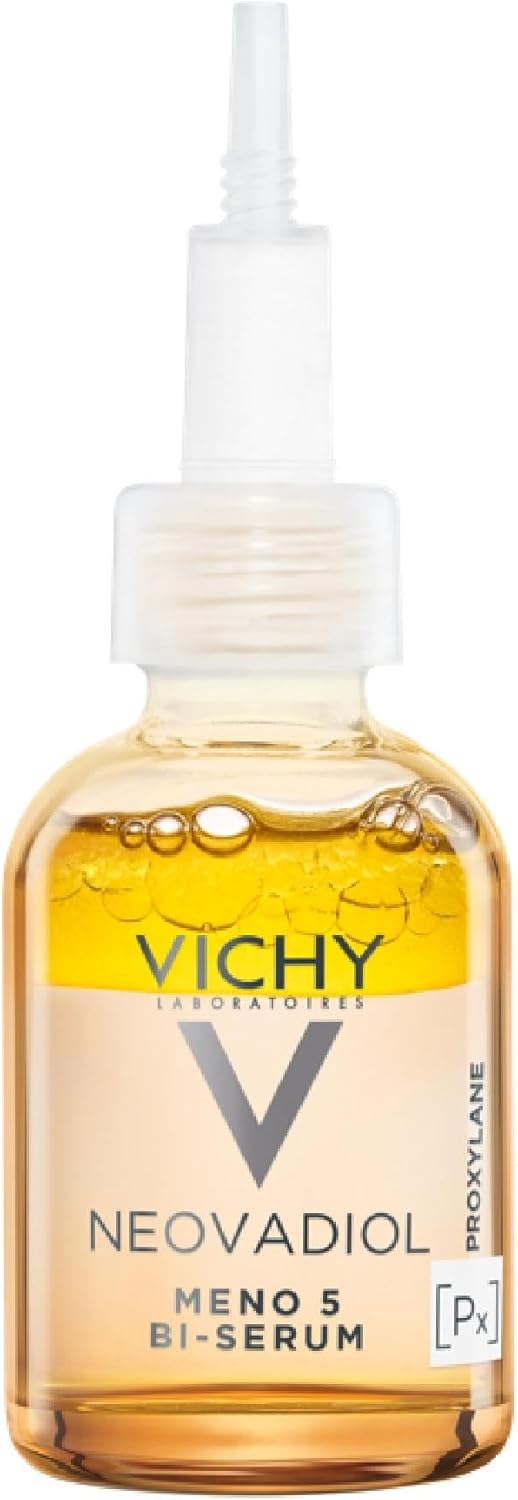
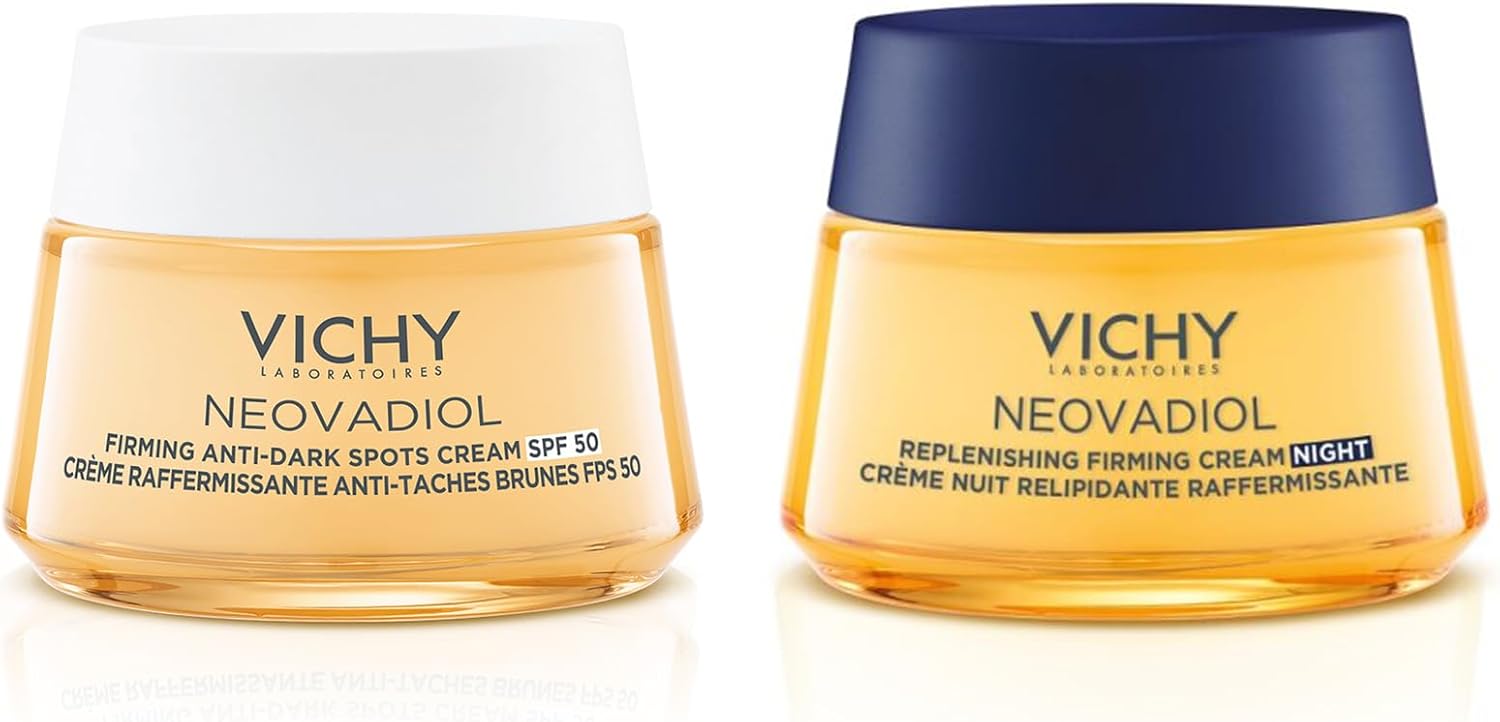
Daily broad-spectrum sunscreen is non-negotiable. Look for brightening serums with vitamin C or niacinamide. Consider talking to a dermatologist about professional treatments like lasers or prescription creams designed specifically for melasma.

Selected for this concern · sorted by number of reviews
Take a photo of your face. Our AI analyses your skin in 30 seconds and recommends the best products for you.
Take a photo and analyse your skin